L. Kifisias 193 & Iereos Doysi 24,
15124, Maroysi, Athens, Greece
15124, Maroysi, Athens, Greece


Piraeus port is the gateway to Athens center. Don't miss the Parthenon, the temple to Athena which looms over Athens from its perch atop the Acropolis, an eternal icon of art and civilization. Completed in 438 B.C., the temple still astounds as the flowering of Greek art and architecture. When you come down off the hill, don't miss a visit to the Ancient Agora, Syntagma Square, the Acropolis Museum and the city's historic centre, around Plaka. Ideally, sit and relax at a cafe on the foot of the hill, sample some Greek souvlaki or a frappe, take a glance back up the hill from time to time and give the goddess her due.

Katakolon Port occupies the north-west part of the Peloponnese. To the west it is washed by the Ionian Sea. It is the current harbor of the regions capital city Pyrgos and serves as the gateway to the site of ancient Olympia, one of the most important archaeological sites in the world and birthplace of the Olympic Games. Visitors can see the remains of the original Olympic stadium, the Bouleuterion and the Temple of Zeus, enjoy free time in modern Olympiato shop or visit the Museum of the Olympic Games.
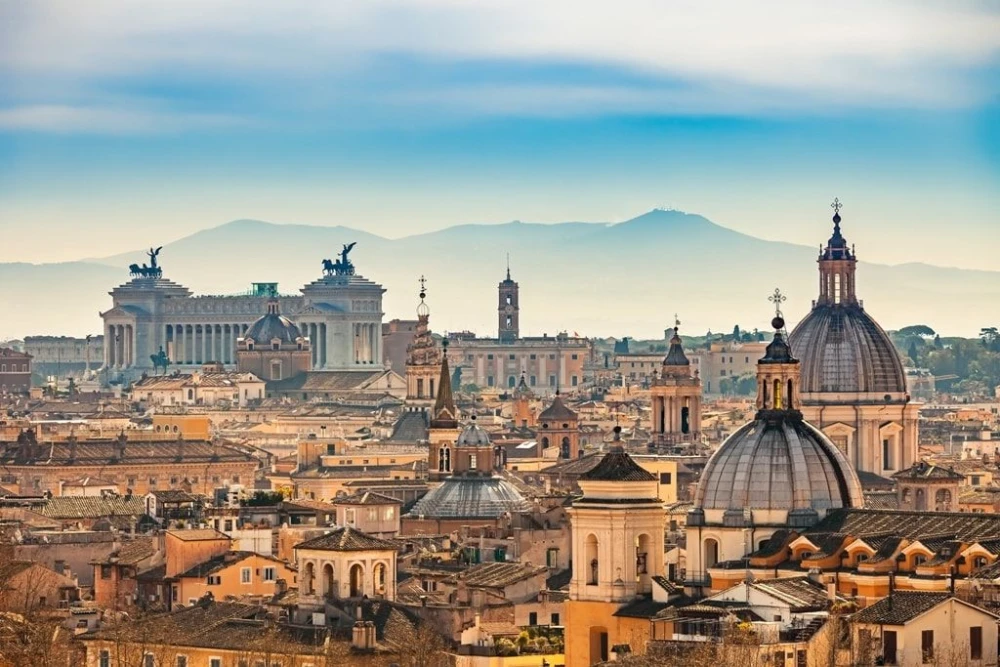
Our gateway to the Eternal City, Civitavecchia has served as Rome's seaport since the 13th century, boasting a long and venerable history. Its location near the modern city, made it a perfect vacation resort for emperor Trajan, who built a pleasure villa. while Bernini and Michelangelo designed the harbor fortifications. Yet the Eternal City, the ancient capital of the Western World and the center of Christianity for nearly 2.000 years, is our main reason to be here. YYou can visit the ruins of the Forum and the Colosseum, throw a coin in Fontana di Trevi to make sure you return to Rome one day, take a photo in front of the Vatican, view the splendors of the Sistine Chapel or climb the Spanish Steps, once the heart of Rome's Bohemian Quarter and enjoy a delicious gelato, in the glamorous area.
Since its founding as a Roman colony in 138 B.C., the Visigoths, the Moors, the Catalan and Aragonese and the modern tomato-throwers have thrived on the shores of the Mediterranean at the Gulf of Valencia. Valencia is a mix of the old and the new. The historic past is depicted in the stone geometry of the Valencia Cathedral, the mediaeval gates of the Serrano and Quart towers, or the Tribunal de las Aguas (Water Court) and one of the most iconic examples of Gothic architecture in Europe, the Lonja de la Seda, declared an Intangible Cultural Heritage site by UNESCO. The new facet is embodied in the arching white steel of the futuristic City of Arts and Sciences, designed by Valencian architect Santiago Calatrava.